
Growing to Give
Teaching to Grow
A nonprofit organization giving Hope by addressing food insecurities and food deserts in the Triangle area of North Carolina and beyond through sustainable vertical aeroponics.
Our Mission
Our mission is to give Hope while fighting food insecurity and food deserts by growing and distributing fresh, nutrient-rich produce through environmentally sustainable vertical aeroponics.Vertical Healing Foundation donates 100% of its harvest to families and communities in need while educating and empowering individuals to embrace environmentally responsible food production.Rejoice in Hope, be patient in tribulation, be constant in prayer. Romans 12:12
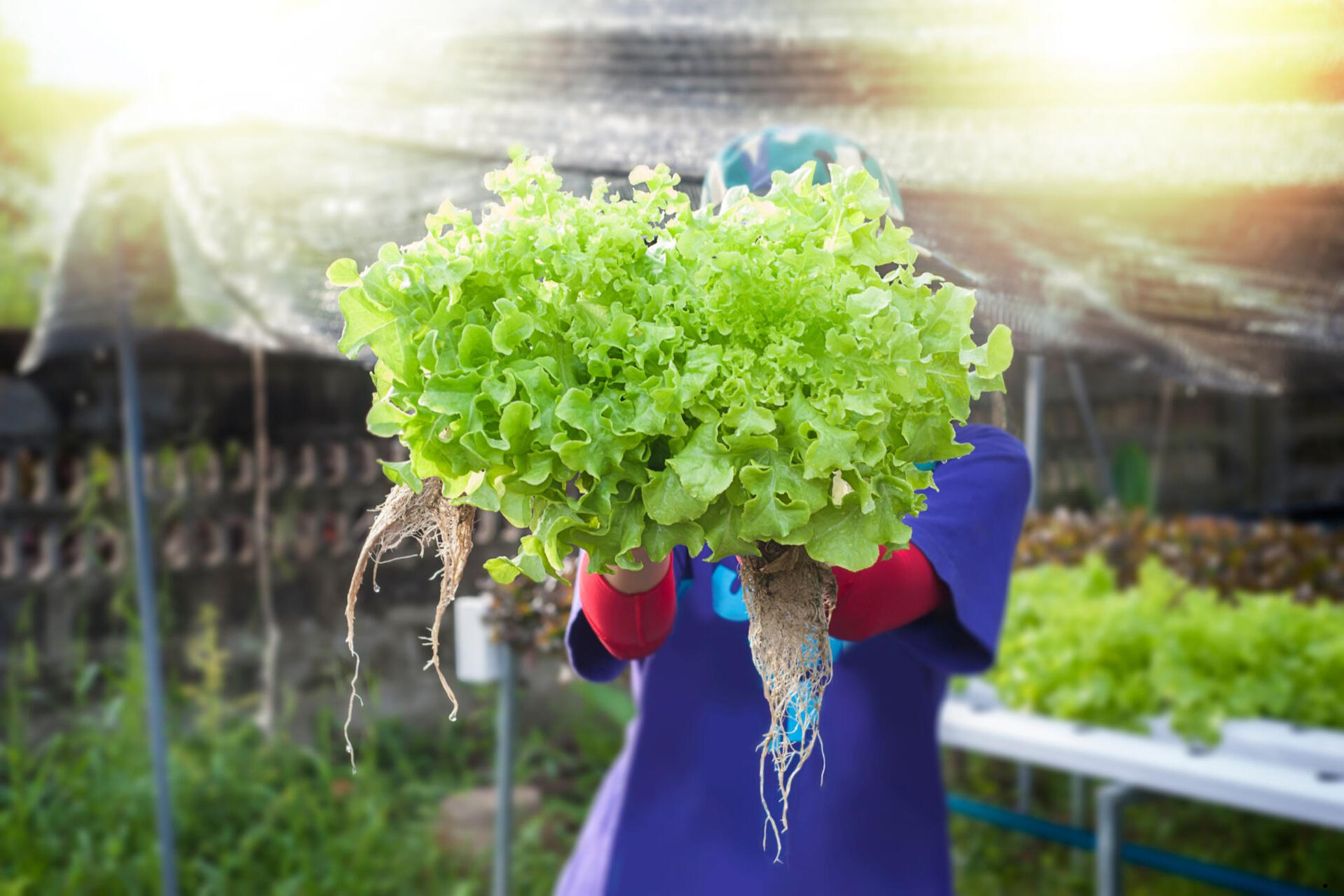
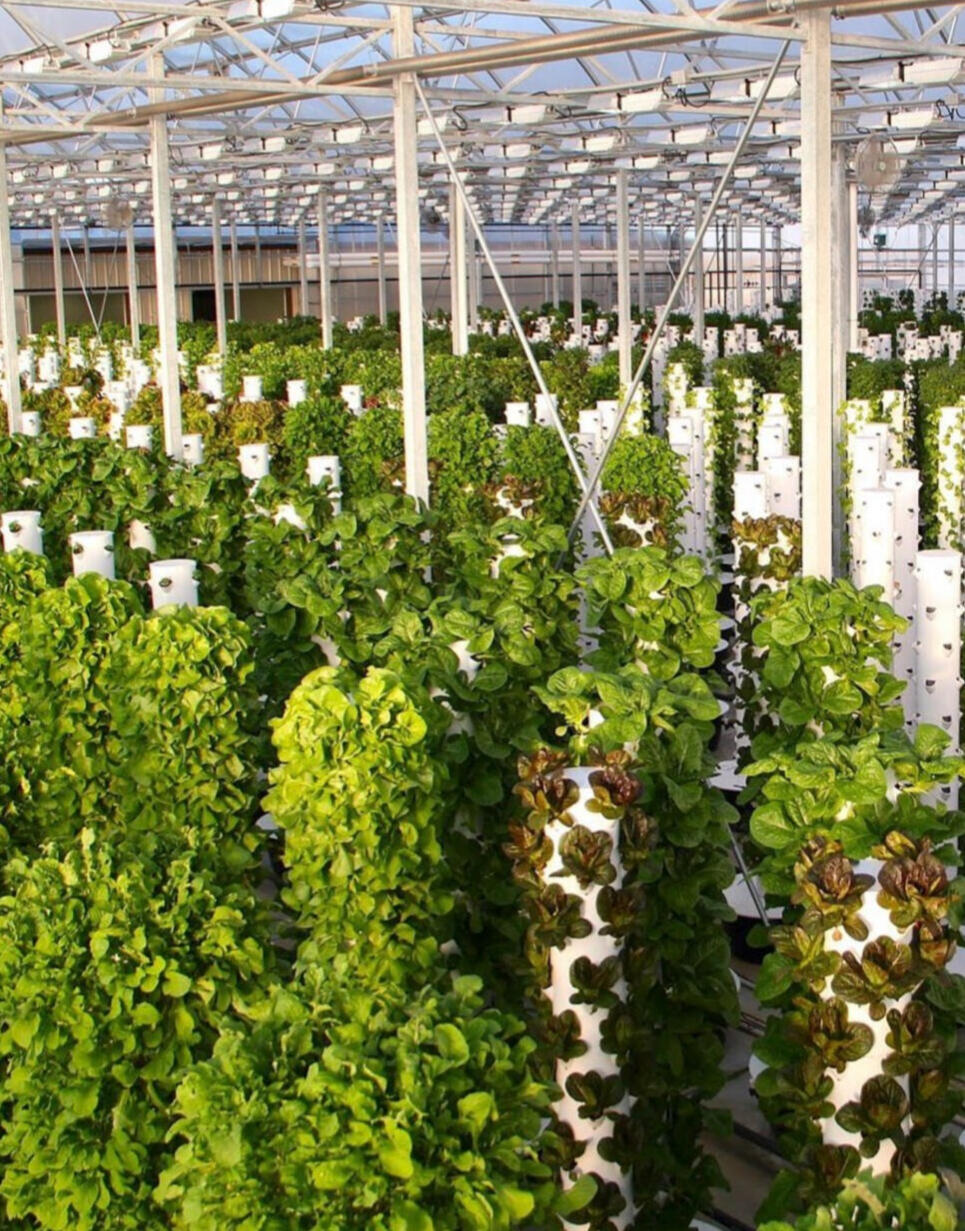
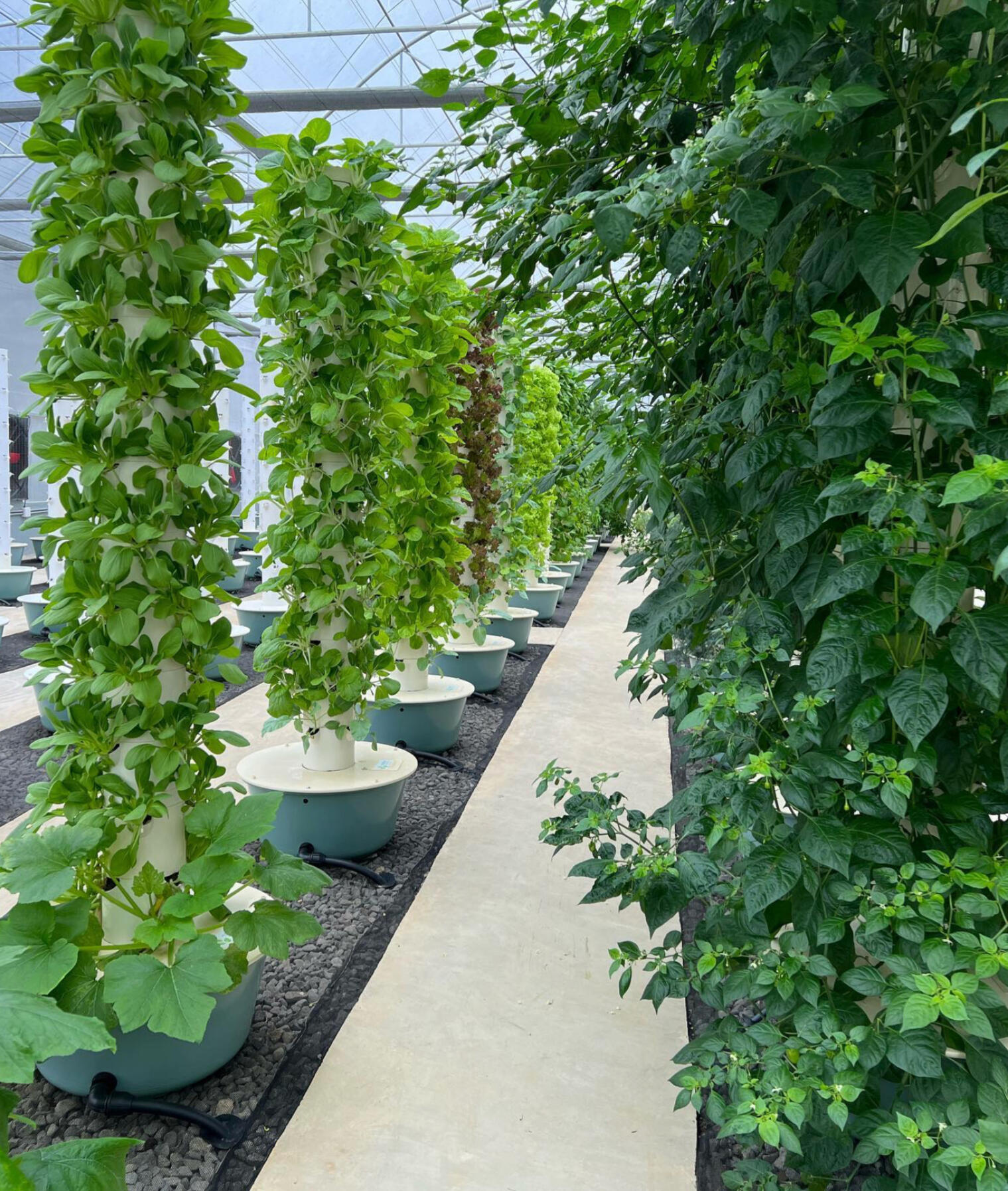
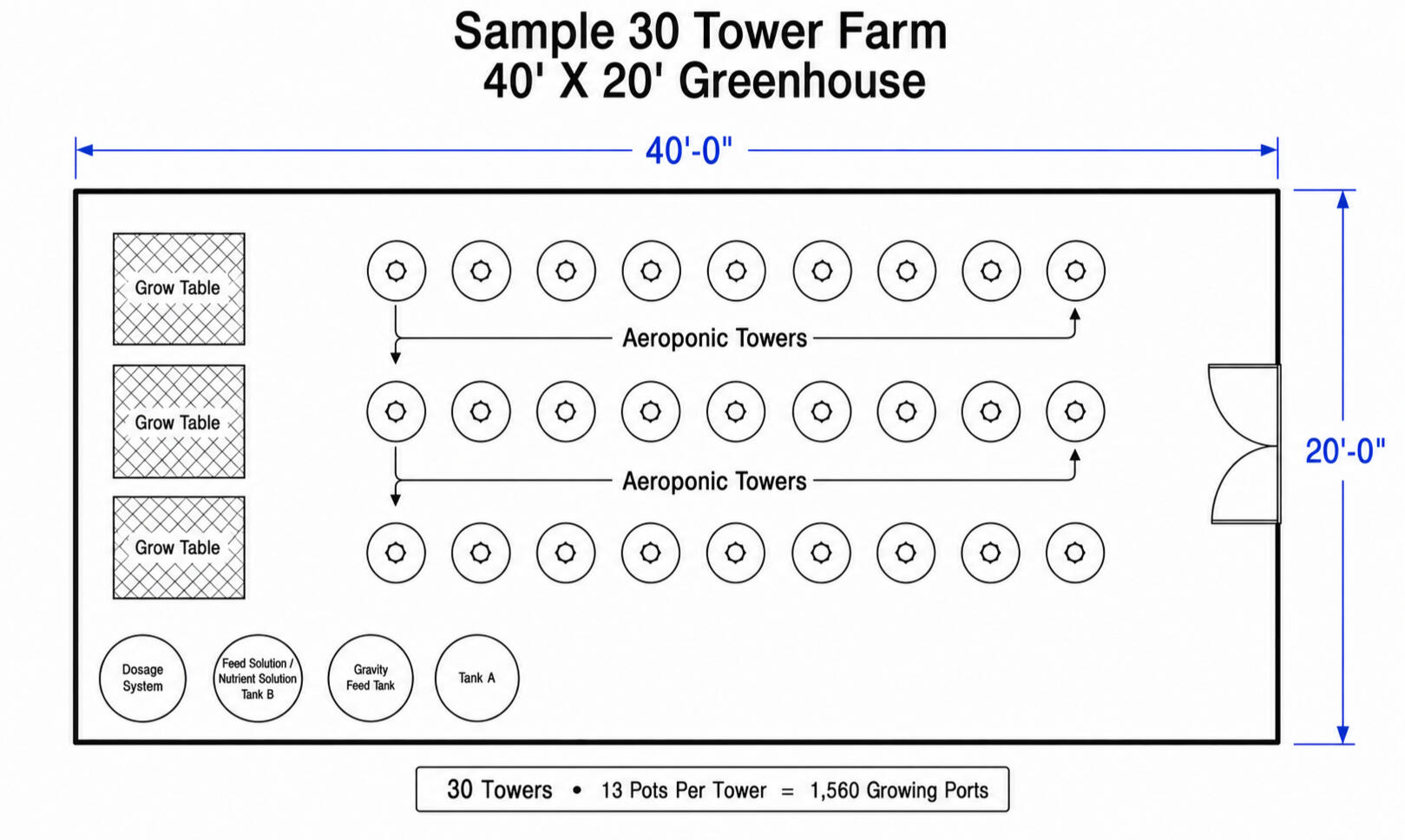
Example of a tower farm
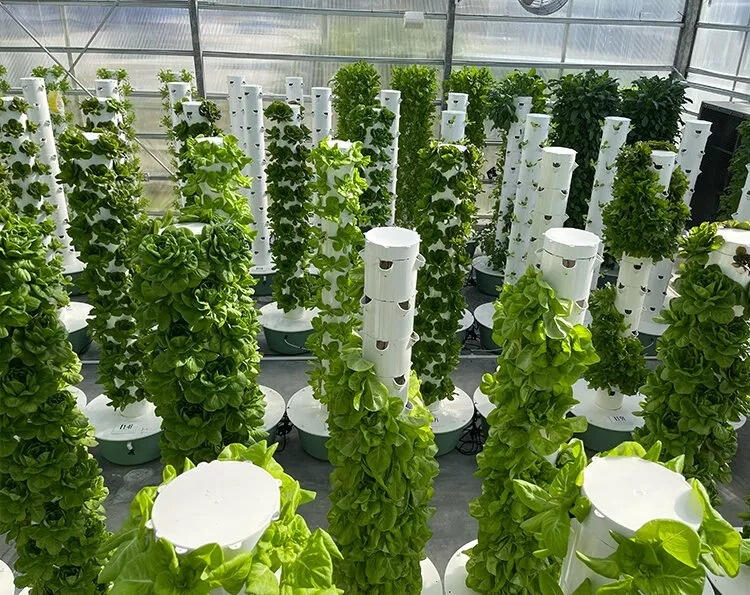
Example of a tower farm
About Vertical Healing
Vertical Healing Foundation (VHF) is a registered 501(c)(3) nonprofit organization headquartered in the Triangle region of North Carolina. The Foundation exists to eliminate food insecurity and food deserts by providing 100% of its locally grown, nutrient-dense produce— cultivated through sustainable vertical aeroponics—free of charge to communities in need.Vertical Healing Foundation donates 100% of all produce grown through its programs to local ministries, food banks, shelters, and community organizations. Every harvest feeds families in need while promoting clean, sustainable food systems.The Foundation transforms donor contributions into measurable impact: every tower sponsored, every harvest donated, and every pound of food distributed helps heal both people and the planet. The Foundation ensures efficiency, transparency, and high-yield operations while upholding its strict commitment that 100% of all produce grown under its programs is donated to charitable partners.We envision a future where every community—regardless of geography or income—has access to fresh, healthy food grown through sustainable innovation.
About Vertical Aeroponics.
Aeroponic towers grow superior quality produce.
Produce has 35-60% greater nutrient density compared to crops grown in the soil
Crops are grown 3x’s faster than conventional farming.
Aeroponic towers use 95% less water and 90% less land than traditional soil farming.
Vertical aeroponics averages 35% higher crop yields than conventional farming.
100% beyond organic - no pesticides, no herbicides, no fungicides, no chemicals.
Towers are energy efficient costing about $1/month per tower to operate making them ideal for alternate sustainable energy solutions.
Aeroponic towers are versatile, they can be set up outside, in a green house, indoors in a warehouse or shipping container making them ideal to be placed any where food insecurities are identified.
They are sustainable and replicable.
What Are Food Insecurities and Food Deserts?
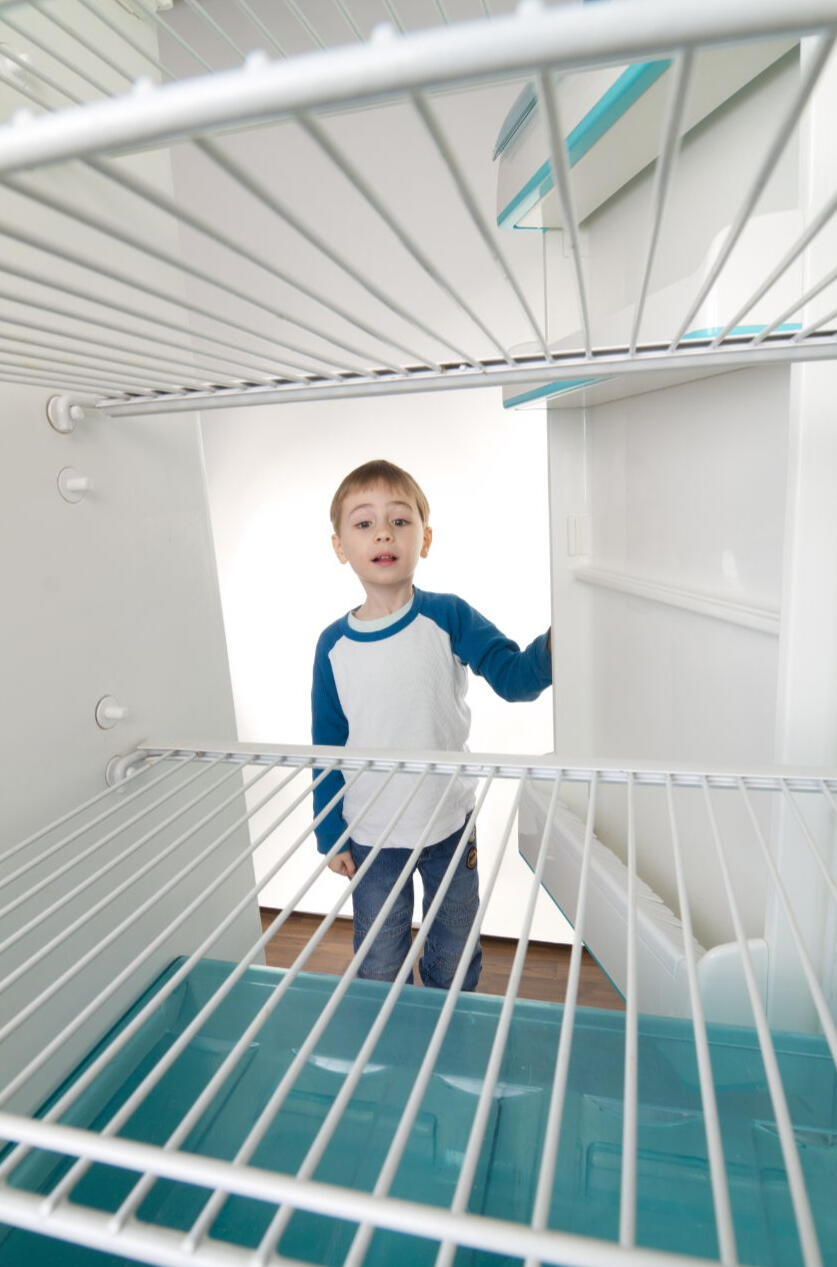
Food insecurity is the condition in which individuals or households do not have consistent, reliable access to enough nutritious food for a healthy life.
It’s about uncertainty and instability, not just hunger
People may skip meals, reduce portion sizes, or rely on cheap, low-nutrient foods
It can be temporary or chronic
Often driven by low income, rising food costs, medical expenses, or job instability
Someone can experience food insecurity even if food exists nearby, if they can’t afford it or access it consistently.
Food Desert is a geographic area where residents have limited or no access to affordable, healthy food, especially fresh fruits and vegetables.
Few or no grocery stores within reasonable distance
Heavy reliance on convenience stores or fast food
Limited transportation options
Disproportionate impact on low-income and rural or urban communities.
Food deserts describe physical and economic access, not individual choice.
What They’re Saying About Hunger in Our Region
Every day, new data and local reporting confirm what families across North Carolina already know: hunger is a growing crisis—right here at home.From Wake County to the rural communities that surround it, food insecurity continues to rise, leaving tens of thousands of our neighbors without reliable access to healthy, affordable food.News outlets, nonprofits, universities, public health departments, and community leaders are all sounding the alarm:
Working families who earn “too much” for assistance still cannot afford groceries.
Children in every county—from urban Raleigh to rural Franklin, Johnston, and Granville —are going hungry.
Communities across the Triangle are identified as food deserts or “food apartheid” zones, where nutritious food simply isn’t available.
Local food banks report sharp increases in demand, with more households turning to emergency food programs than in previous years.
This isn’t speculation. It’s well-documented. It’s measurable. And it’s happening now.
Vertical Healing Foundation exists because this crisis demands a new kind of response—one rooted in year-round fresh produce, sustainable farming, and a commitment to feeding our community with dignity.
“13.5% of U.S. households — about 18 million — were food insecure at some point in 2023.”
— USDA Economic Research Service, Food Security Status of U.S. Households in 2023 (Jan 2025)
“In 2023, 5.1% of U.S. households experienced very low food security, meaning disrupted eating patterns and reduced food intake.”
— USDA Economic Research Service, Key Statistics & Graphics (2025)
“Food insecurity in 2023 was higher in rural areas, cities, and in the South, where 16% of people faced food insecurity.”
— Feeding America summary of USDA 2023 Food Security Report (2024)
“Hunger is present in 100% of North Carolina counties, and 86% of U.S. counties with the highest food insecurity rates are in the South.”
— Inter-Faith Food Shuttle, summarizing Map the Meal Gap 2025 (May 2025)
“Roughly 1 in 5 children in North Carolina face hunger.”
— Feeding America, Hunger in North Carolina
“In Wake County, 12% of residents face food insecurity, and more than half of them earn too much to qualify for SNAP.”
— Inter-Faith Food Shuttle, Map the Meal Gap Highlights the State of Food Insecurity in North Carolina (2025)
“An estimated 13,270 children in Durham — about 1 in 5 kids — experience food insecurity.”
— UNC analysis of Durham County food insecurity (2023)
“In Johnston County, 12.9% of residents are food insecure, compared with 15.4% statewide.”
— Public School Forum of North Carolina, Johnston County – 2023 Roadmap of Need County Profile
“Food insecurity is a significant issue in Nash County. The overall food insecurity rate (12%) is higher than both the state (11%) and national (10%) averages.”
— Nash County 2024 Community Health Needs Assessment
Ways to Grow with Us
Every gift helps grow fresh food and nourish families. Choose the path that feels right for you.
Monthly Support
Grow lasting impact, one month at a time.Your monthly gift provides steady nourishment for families facing food insecurity. Ongoing support helps us plan, grow, and distribute fresh produce consistently throughout the year.
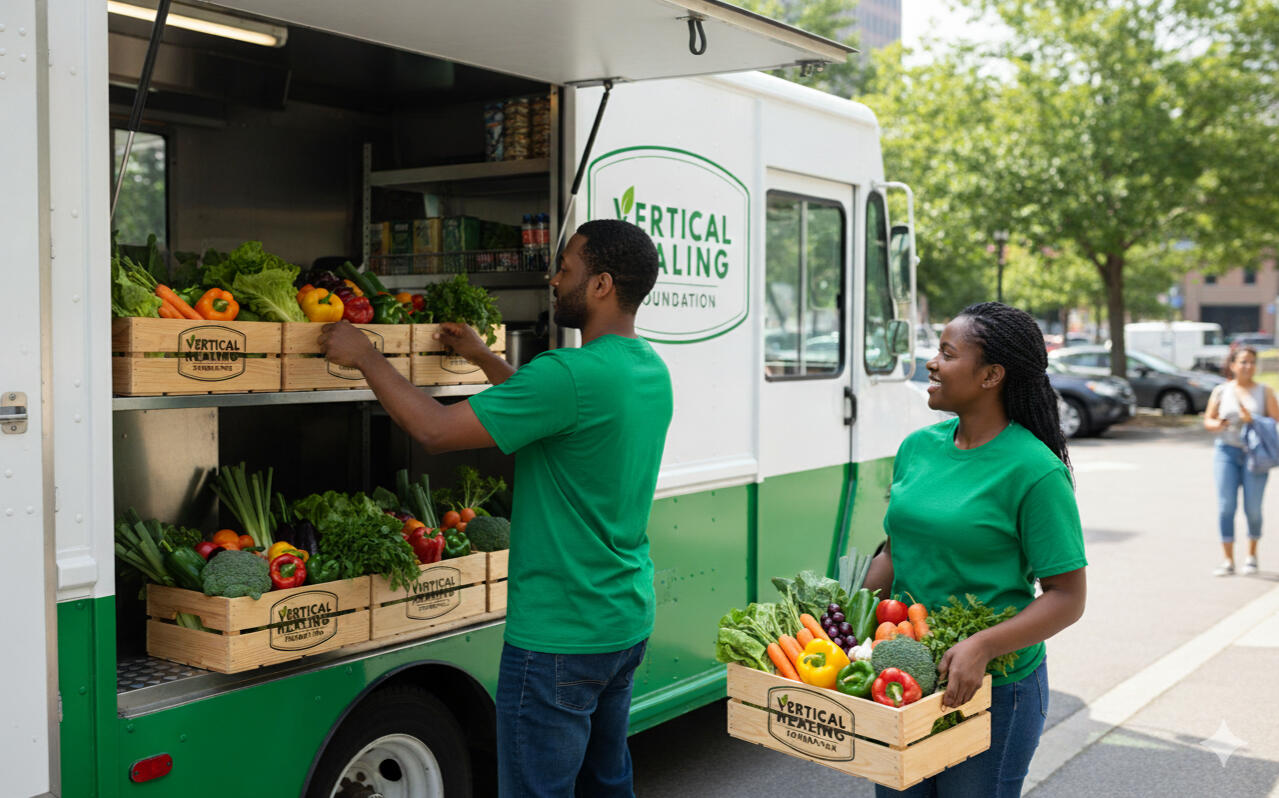
Adopt a Tower
Turn a growing tower into a source of hope.By adopting a tower, you directly support the systems that grow fresh food for our community. Your adoption helps fund the care, maintenance, and harvest of produce that is donated to families in need.
One-Time Gifts
Make an immediate difference today.A one-time gift helps meet urgent needs and expand our ability to grow and distribute fresh, healthy food where it’s needed most.
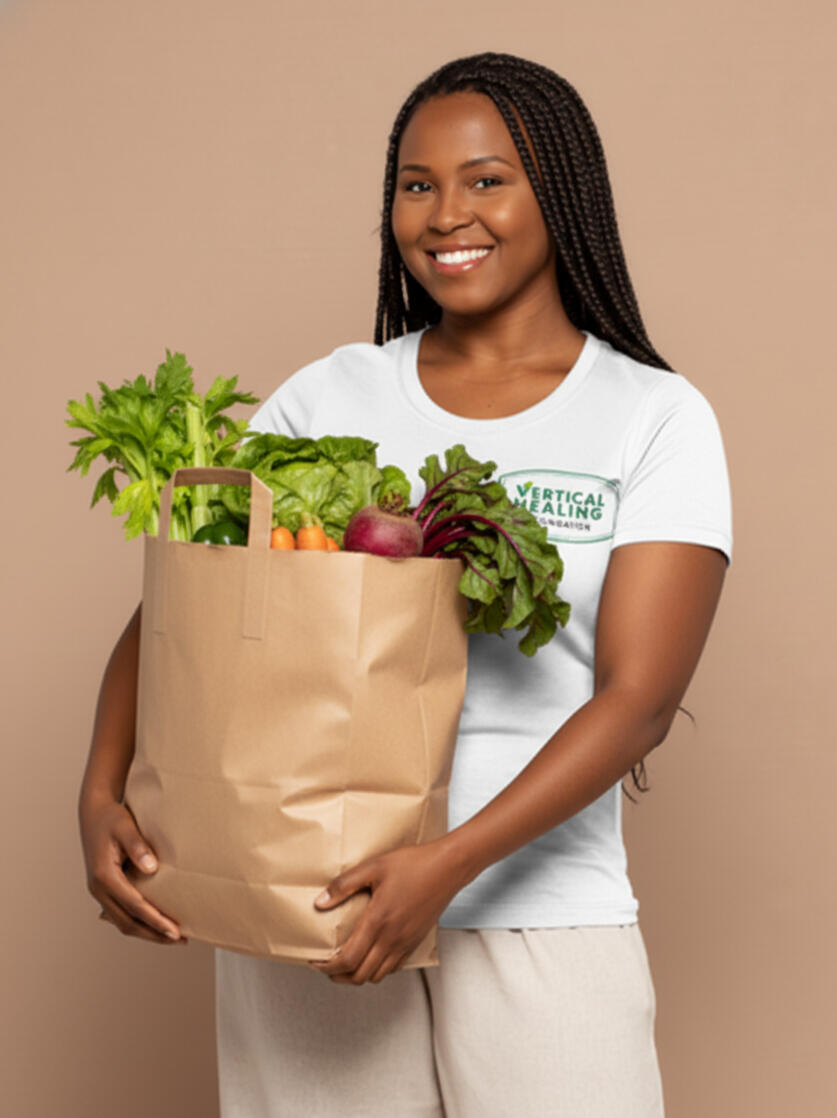
Legacy Growers Circle
Leave a living legacy that continues to give.The Legacy Growers Circle is for individuals and families who wish to create lasting impact through transformational or planned giving. Members help build the infrastructure that nourishes communities for generations.

Volunteer Options
Coming Soon.Stay tuned to learn about ways you can volunteer through planting, harvesting, and donating produce that is grown.
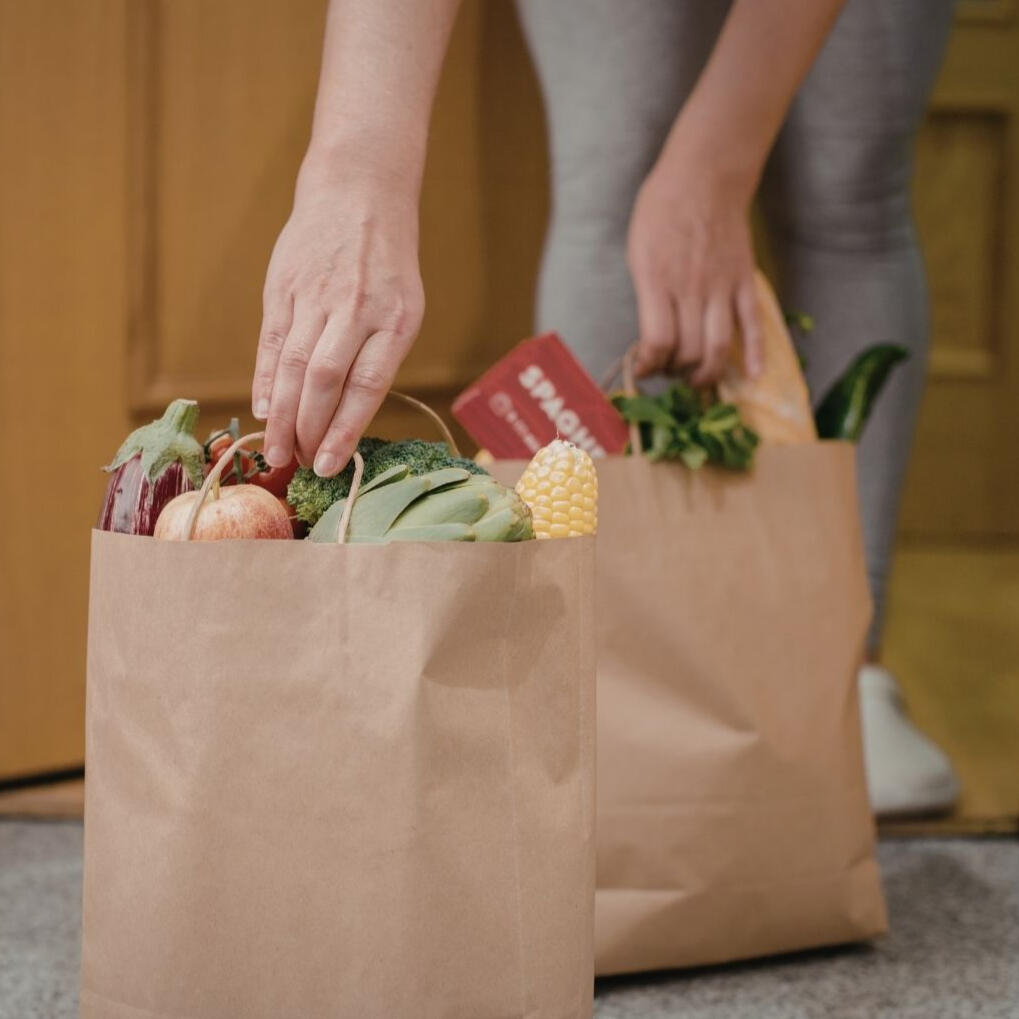
Our Model
The Foundation transforms donor contributions into measurable impact. Every tower sponsored, every harvest donated, and every pound of food distributed helps heal both people and the planet.The Foundation ensures efficiency, transparency, and high-yield operations while upholding its strict commitment that 100% of all produce grown through our programs is distributed through our network of local ministries, food pantries, and community programs — at no cost to recipients.

Subscribe to our email list to learn more.
© Vertical Healing Foundation. All rights reserved. | Organizational Relationship | website by Visual Media
Legacy Growers Circle
A Family Legacy of Nourishment
The Legacy Growers Circle is a community of individuals and families who choose to leave a lasting mark on food access in our region. Through transformational giving and planned gifts, members help build the physical infrastructure that allows Vertical Healing Foundation to nourish communities for generations to come.This circle is intentionally intimate. It is reserved for those who believe that food is not only sustenance, but dignity — and that building something enduring is one of the greatest gifts a family can leave behind.What It Means to Be a Legacy Grower
Legacy Growers are not transactional donors. They are stewards.By investing in greenhouses, growing systems, and distribution infrastructure, Legacy Growers make it possible for fresh, locally grown produce to reach families facing food insecurity today — and long into the future.These gifts do more than meet immediate needs. They create living systems that continue to give year after year.Transformational Giving Opportunities
Members of the Legacy Growers Circle may support the Foundation through:
• One-time transformational gifts that fund core infrastructure
• Naming opportunities honoring a family name or loved one
• Planned gifts, including bequests and beneficiary designations
Each opportunity is approached with care, transparency, and respect for the legacy being honored.Naming & Recognition
Naming opportunities are available exclusively to individuals and families who wish to honor a legacy.
Recognition is designed to be:
• Tasteful and mission-centered
• Permanent, yet understated
• Aligned with the values of stewardship and serviceExamples include named greenhouses, growing wings, or legacy plaques recognizing foundational support.Stewardship & Relationship
Legacy Growers Circle members are invited into a deeper relationship with the Foundation through:
• Personal communication from leadership
• Private site visits and project briefings
• Invitations to dedication moments and milestones
• Annual impact reporting that shows how their legacy continues to growThis is not a public sponsorship program. It is a relationship built on trust, shared values, and long-term vision.An Invitation
The Legacy Growers Circle is for families who believe that how we care for our communities today shapes the world our children inherit tomorrow.If you are interested in learning more about transformational or legacy giving opportunities, we invite you to begin a private conversation with us.Together, we can grow something that lasts.
Dream Center Project
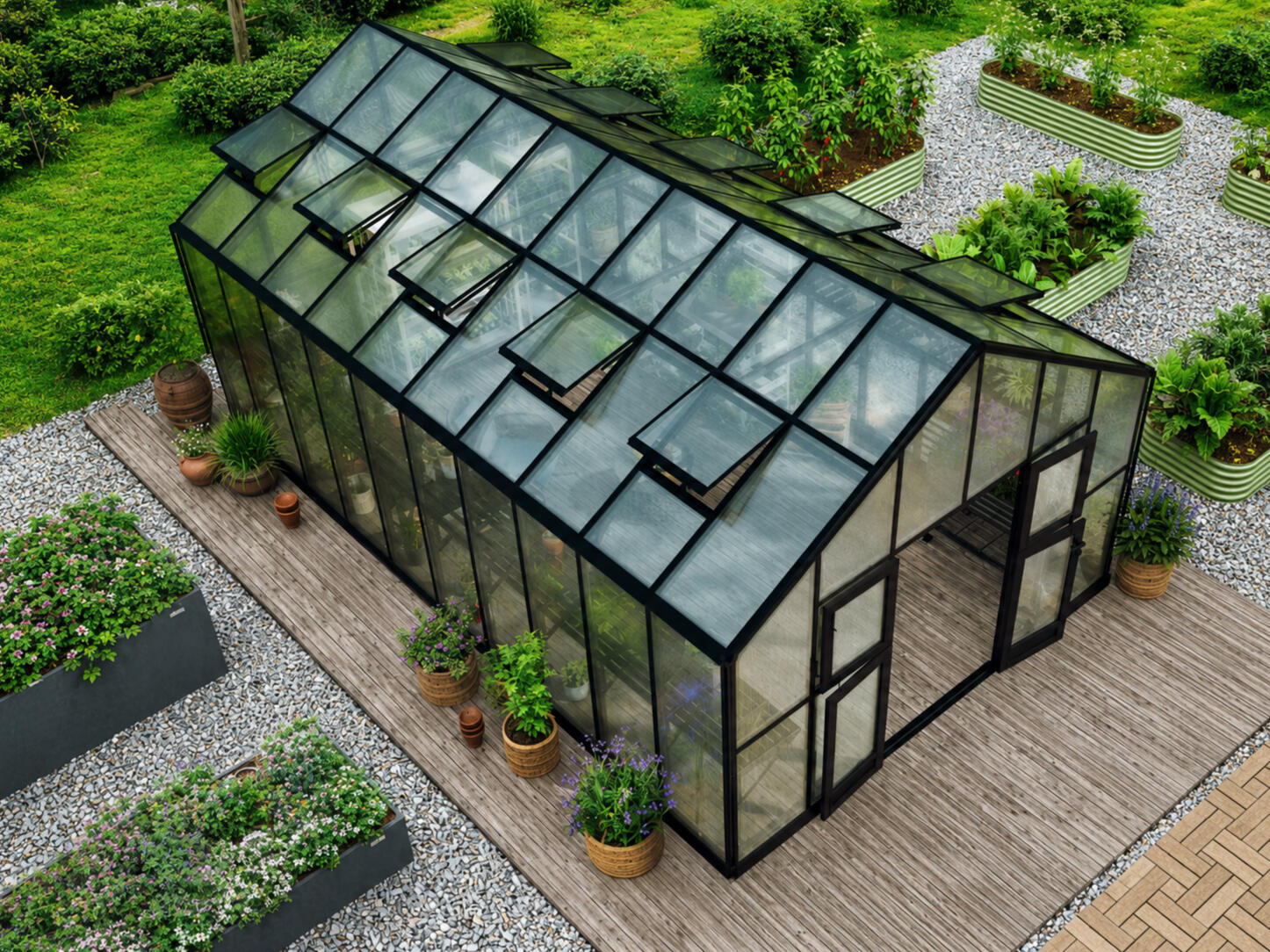
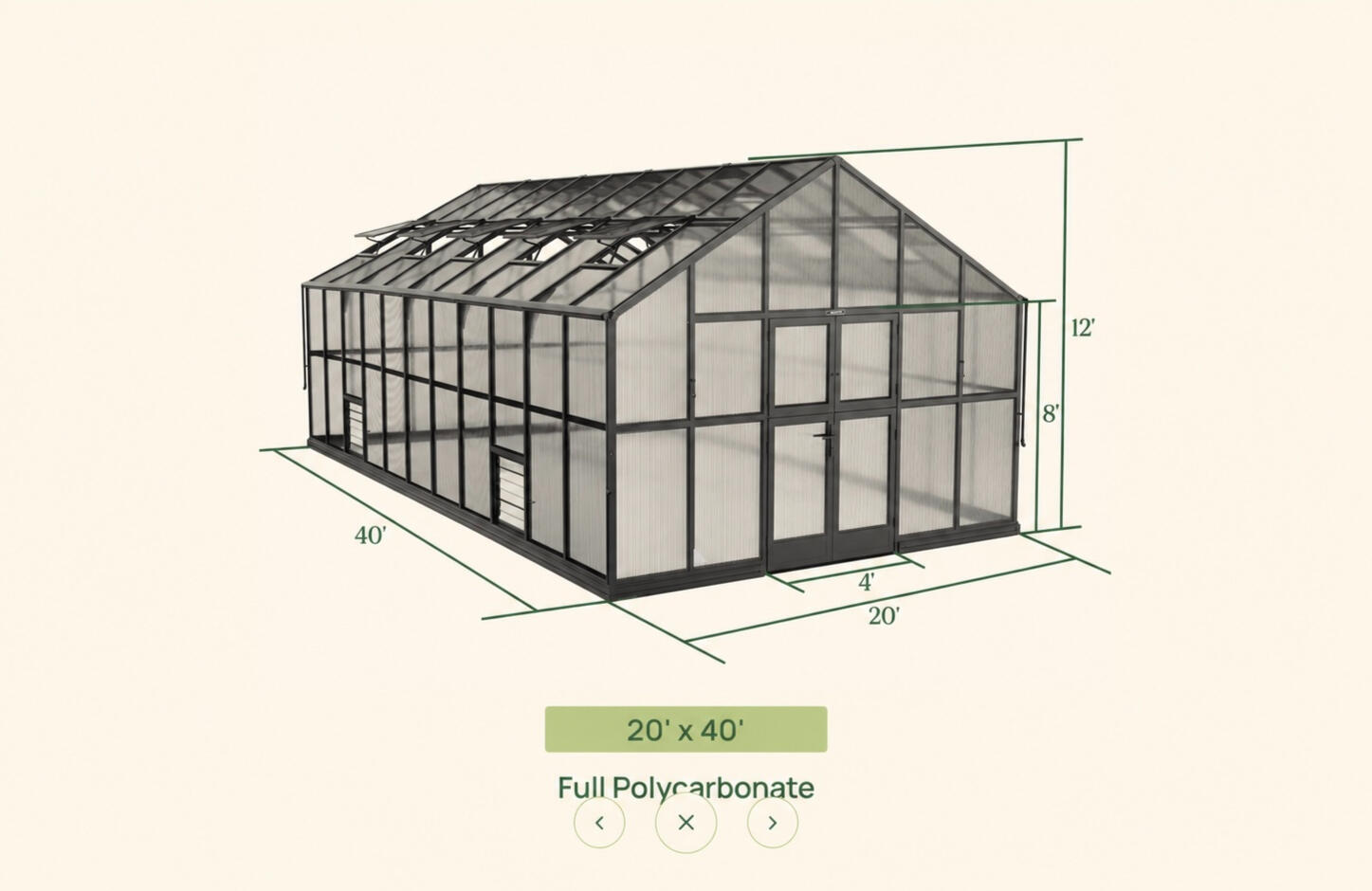
Our Dream Center will be a working green house and a teaching center where we will take on the fight of food insecutrity. We will grow to give and teach to grow. Please consider joining us and helping make this Dream Center a reality.
Sponsors and Donors
Our Champions of HopeAt the Vertical Healing Foundation, our mission is built on the belief that no one should have to navigate their path to recovery alone. While our community provides the spirit and the resilience, it is our Sponsors and Donors who provide the resources necessary to turn hope into action.To the organizations and individuals listed on this page: Thank you.Your generosity does more than fund programs—it breaks down barriers, fosters independence, and empowers individuals to reach new heights. Whether through corporate sponsorship or individual contributions, you are the "belay" that keeps our community safe and the "anchor" that allows us to climb higher.We are deeply honored to have you as partners in this journey.With profound gratitude, The Vertical Healing Foundation Team
Thank you
Thanks for subscribing. We will be in touch.